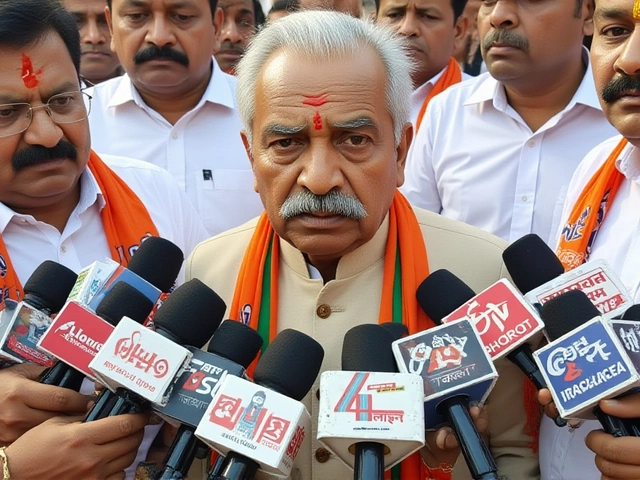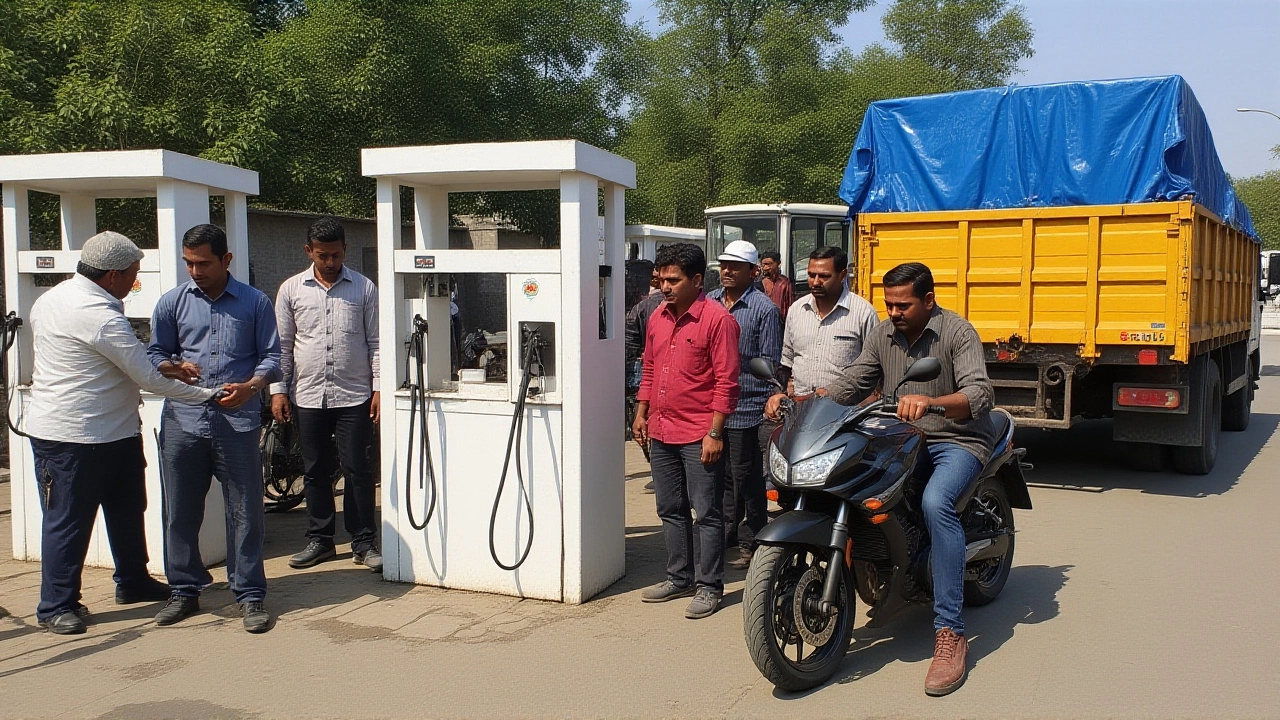
Indian commuters are bracing for a significant hit to their wallets. Government sources indicate that petrol and diesel prices could surge by ₹4 to ₹5 per litre in the coming days. This potential hike stems from mounting losses for oil marketing companies and volatile global crude markets.
The news comes as international tensions escalate, with conflicts involving Iran and disruptions at the Strait of Hormuz driving up raw material costs. Meanwhile, on the ground, consumers are already feeling the pinch. Reports suggest fuel rates have already climbed sharply in just one week, squeezing household budgets nationwide.
Global Crude Volatility Drives Domestic Hikes
Here’s the thing: domestic fuel prices in India don’t exist in a vacuum. They’re tethered tightly to global crude benchmarks. Recently, geopolitical instability has sent shockwaves through energy markets. The situation around Iran and the strategic chokepoint of the Strait of Hormuz has created uncertainty, causing crude oil prices to swing wildly.
Oil marketing companies (OMCs) like Indian Oil Corporation Ltd (IOCL), Bharat Petroleum, and Hindustan Petroleum are operating on thin margins. When the cost of imported crude spikes while retail prices remain static due to political caution, these state-owned giants incur heavy losses. Sources close to the government reveal that officials are seriously considering a price correction to stabilize this deficit.
But wait—it’s not just about future hikes. A viral social media report claims that petrol and diesel prices have already jumped by up to ₹5 in some areas over the last seven days. Compressed Natural Gas (CNG) fares have also seen increases, adding another layer of stress for daily commuters who switched to cleaner fuels hoping for relief.
Current Fuel Rates Across Major Indian Cities
To understand the baseline before any further increase, let’s look at where we stand today. Data from IOCL shows significant variation across metropolitan hubs, largely due to differing state VAT structures.
- New Delhi: Petrol at ₹94.77/litre; Diesel at ₹87.67/litre.
- Mumbai: Petrol at ₹103.54/litre; Diesel at ₹90.03/litre.
- Kolkata: Petrol at ₹105.45/litre; Diesel at ₹92.02/litre.
- Chennai: Petrol at ₹100.80/litre; Diesel at ₹92.39/litre.
- Bengaluru: Petrol at ₹102.92/litre; Diesel at ₹90.99/litre.
- Hyderabad: Petrol at ₹107.41/litre; Diesel at ₹95.65/litre.
In the National Capital Region (NCR), recent adjustments saw petrol rise by ₹2.61 per litre and diesel by ₹2.71 per litre as recently as last Monday. CNG prices in Delhi now sit at ₹83.09 per kilogram. These numbers aren't just statistics—they represent the daily commute cost for millions of Indians.
Himachal Pradesh Introduces Controversial 'Orphan and Widow Tax'
While the center debates national pricing, states are moving independently—and sometimes controversially. In Himachal Pradesh, the political landscape shifted dramatically on March 23, 2026. Chief Minister Sukhvinder Singh Sukhu introduced the Himachal Pradesh Value Added Tax (Amendment) Bill in the state assembly.
The twist? The bill proposes a new cess on the first sale of petrol and high-speed diesel, dubbed the "Orphan and Widow Cess." The stated goal is noble: revenue generated will support vulnerable sections of society, specifically orphans and widows. However, the method sparked outrage.
Opposition parties staged a walkout, protesting what they viewed as a regressive tax on essential goods during an inflationary period. Despite the chaos, the bill was passed amidst uproar. It now awaits approval from the Governor. Once signed into law, the state government can notify specific cess rates, which will inevitably push local fuel prices higher.
Chief Minister Sukhu defended the move, arguing that even with the new cess, Himachal’s fuel prices would remain approximately ₹2 per litre cheaper than neighboring Punjab and Haryana. He also pointed out that the central government collects a ₹27 excise duty per litre, suggesting the burden isn't solely on the states.

Impact on Consumers and What’s Next
The ripple effects of these changes are immediate. For logistics companies, a ₹4-5 hike translates to billions in additional operational costs, likely passed on to consumers via higher grocery and transport fares. For individual drivers, it means cutting back on non-essential travel or reconsidering vehicle choices.
Experts warn that if global crude prices remain elevated due to Middle East tensions, the current domestic prices might be temporary respite rather than a long-term solution. The combination of central excise duties, state VATs, and now specialized cesses creates a complex web of taxation that keeps Indian fuel among the most expensive globally.
What’s next? Watch for official notifications from the Ministry of Petroleum and Natural Gas regarding any imminent rate changes. Simultaneously, monitor Himachal Pradesh’s administrative orders once the Governor signs the amendment bill. Until then, keep your tank full and your budget tight.
Frequently Asked Questions
Why are petrol and diesel prices expected to rise by ₹4-5?
The proposed hike is driven by soaring global crude oil prices caused by geopolitical tensions involving Iran and the Strait of Hormuz. Oil marketing companies are facing significant financial losses under current retail rates, prompting the government to consider a correction to balance the books.
What is the 'Orphan and Widow Cess' in Himachal Pradesh?
It is a new tax levied on the first sale of petrol and diesel in Himachal Pradesh, introduced by CM Sukhvinder Singh Sukhu. The revenue is earmarked for supporting orphans and widows. Despite opposition protests, the bill was passed and awaits the Governor's signature to become law.
How do fuel prices compare across major Indian cities?
Prices vary significantly due to state taxes. As of recent data, Hyderabad has some of the highest petrol rates at ₹107.41/litre, while Chandigarh offers lower diesel rates at ₹82.45/litre. New Delhi stands at ₹94.77 for petrol and ₹87.67 for diesel.
Has CNG also become more expensive?
Yes, reports indicate that CNG prices have increased alongside petrol and diesel. In Delhi, the revised rate is ₹83.09 per kilogram. This affects many commuters who rely on CNG for its previously lower cost compared to liquid fuels.
When will the new fuel prices take effect?
There is no official date confirmed yet for the national ₹4-5 hike, though sources suggest it could happen in the coming days. In Himachal Pradesh, prices will change only after the Governor approves the amendment bill and the state government notifies the specific cess rate.