The political temperature in Jaypur, Rajasthan, India spiked this week after a sharp verbal exchange between opposition leaders and the ruling party. It started with a comment about foreign policy and ended with personal attacks that have dominated social media feeds across the country.
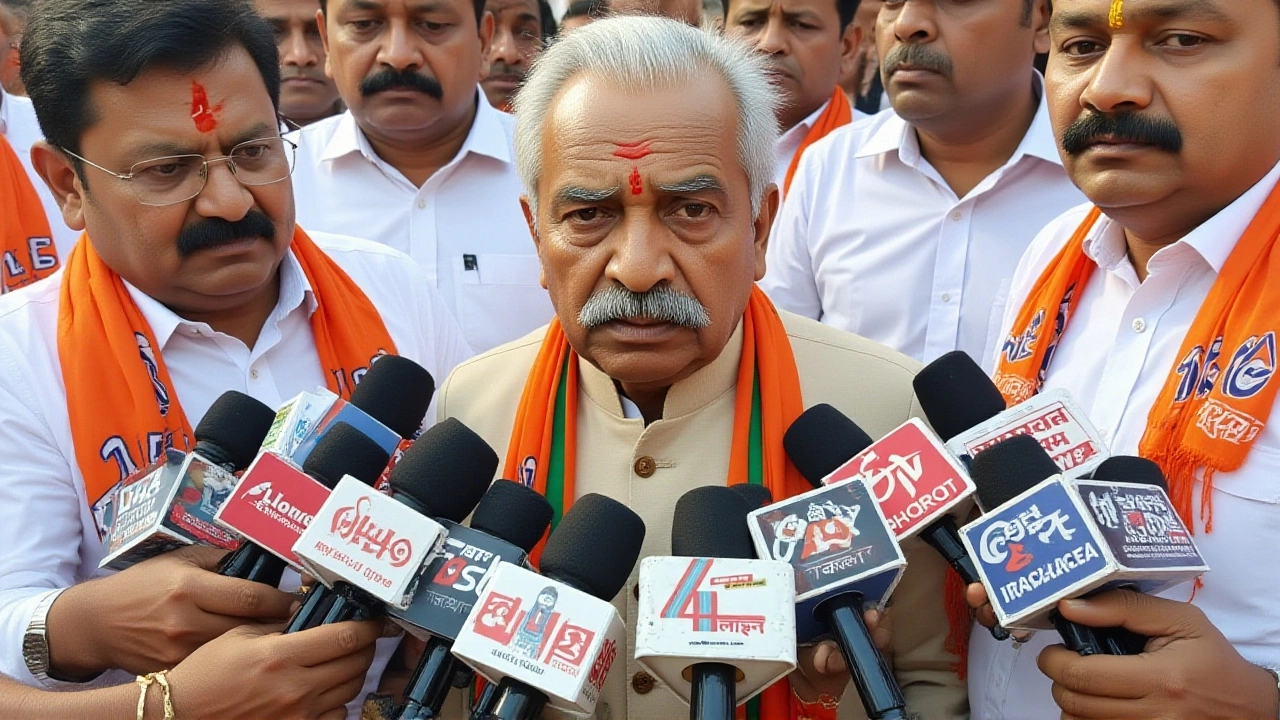
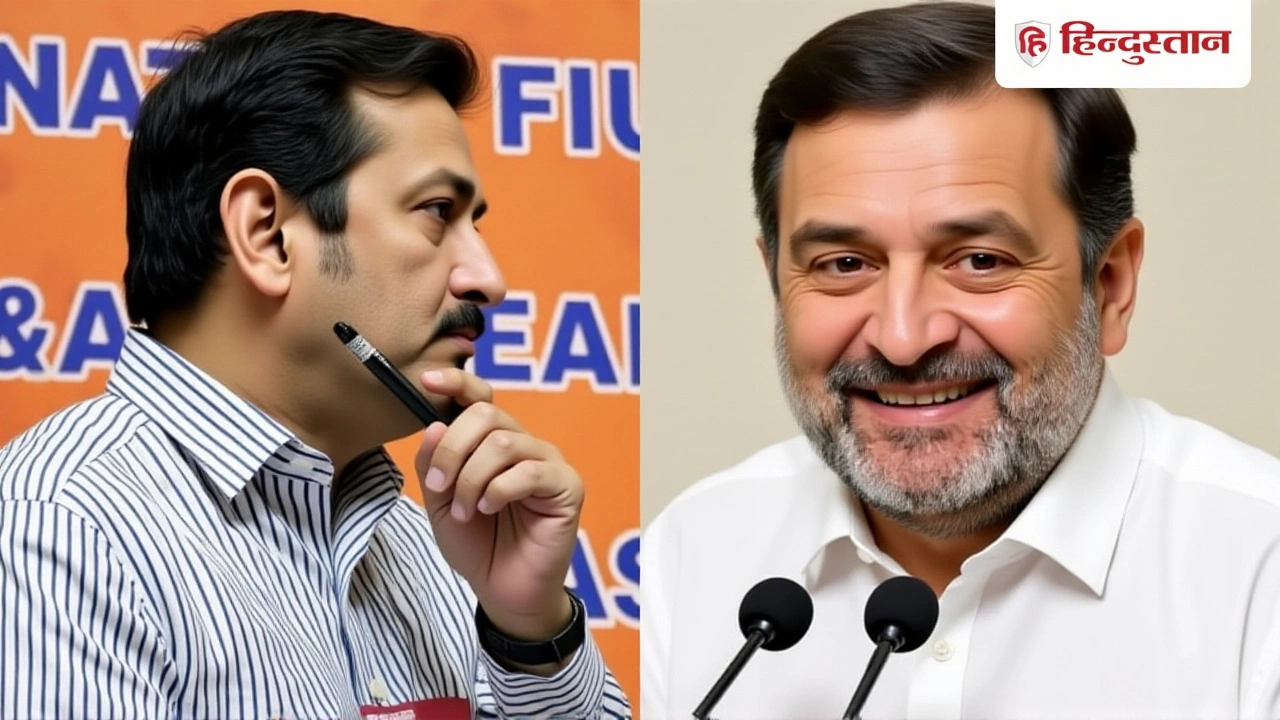
Madan Rathod, State President of the Bharatiya Janata Party (BJP) in Rajasthan, didn't hold back during a press briefing outside the state party headquarters on Thursday. He labeled Rahul Gandhi, Leader of the Opposition in the Lok Sabha, as having a "childish mind" (bachcha buddhi). The remark was a direct response to Gandhi's recent criticism of Prime Minister Narendra Modi's diplomatic engagements abroad—a critique that has been dubbed the "Melody Toffee controversy" by local media outlets.
The Spark Behind the Row
Here’s the thing: the exact wording of Gandhi’s original statement remains murky. Reports suggest he compared aspects of the Prime Minister’s foreign tours or policy outcomes to something trivial, using the metaphor of a "melody toffee." Whether it was a literal reference to the candy brand or a broader analogy for superficial diplomacy, the interpretation matters less than the reaction it triggered.
But wait—the BJP leadership took it personally. For them, it wasn't just political disagreement; it was an insult to India's rising global stature under Modi. Rathod argued that Gandhi’s comments reveal a lack of maturity and understanding of complex international relations. "He needs to understand parliamentary decorum," Rathod said, adding that such remarks damage India’s image on foreign soil.
Escalation Beyond Words
This isn't just talk. On the ground in Jaypur, tensions boiled over physically. At Choumun Circle, near the BJP state office, activists burned an effigy of Rahul Gandhi. Video footage circulating online shows supporters chanting slogans demanding accountability from the opposition leader. The protest wasn't isolated—it reflects a coordinated push by the Rajasthan unit to frame Gandhi’s stance as anti-national.
Rathod went further than mere criticism. He publicly advised Gandhi to consult a psychiatrist, suggesting his behavior stems from mental instability rather than political strategy. More alarmingly, he called for a "civil boycott" of Gandhi, urging citizens to socially ostracize him until he retracts his statements. This kind of rhetoric is rare in mainstream Indian politics and signals a significant escalation in campaign tactics.
Defending the Government’s Record
While attacking Gandhi, Rathod pivoted to defend the central government’s achievements. He listed specific figures to counter what he called Congress-led misinformation:
- Infrastructure: Approval of projects worth ₹300,000 crore ($36 billion) in roads, railways, ports, and airways.
- Farmers’ Support: Disbursement of ₹20,000 crore ($2.4 billion) under the Kisan Samman Nidhi scheme to 93 million farmers.
- Housing: Allocation of 3 million homes under the Pradhan Mantri Awas Yojana.
- Renewable Energy: Installation of solar systems in over 250,000 households via the PM Surya Ghar Muft Bijli Yojana.
- Public Transport: ₹3,400 crore ($410 million) allocated for new buses under the PM E-Bus Sewa initiative.
- Startup Funding: Creation of a ₹1,000 crore ($120 million) venture capital fund for space sector startups.
These numbers aren’t just stats—they’re ammunition in a narrative war. By juxtaposing tangible development against abstract criticisms, Rathod aims to portray the opposition as out-of-touch elites who ignore grassroots progress.
Broader Implications for Indian Politics
Why does this matter? Because it highlights a growing trend in Indian electoral discourse: the weaponization of personal character attacks alongside policy debates. When a senior leader like Gandhi—who represents one of India’s oldest political dynasties—is told he needs psychiatric help, it crosses traditional boundaries of political debate.
Interestingly, similar tactics have emerged before. During previous election cycles, regional BJP units often used emotional appeals and moral framing to discredit opponents. But calling for civil boycotts is unusual. It echoes historical movements but risks alienating moderate voters who prefer civility in public discourse.
Also worth noting: fuel prices were mentioned in passing during the same event—petrol at ₹94.77/liter and diesel at ₹87.67/liter in certain cities. While seemingly unrelated, these figures underscore everyday economic concerns that voters care about far more than diplomatic metaphors.
What’s Next?
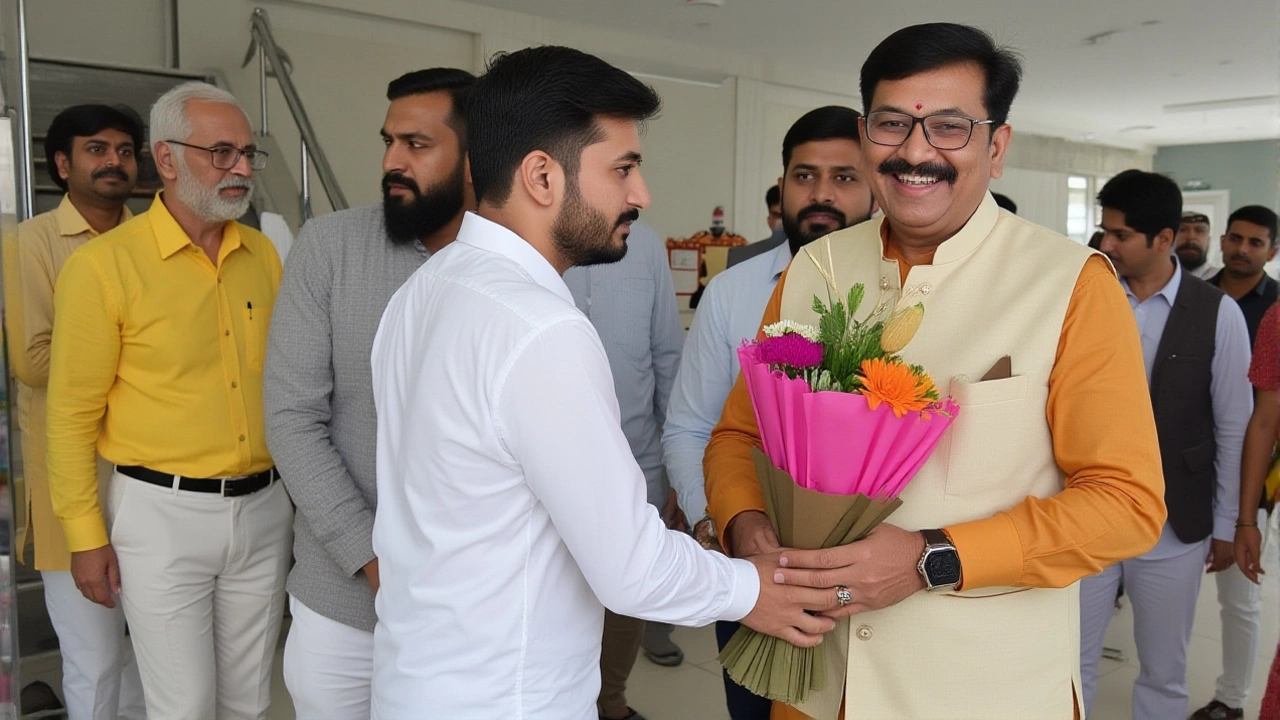
Rathod promised this wouldn’t be a one-day protest. "We will turn this into a people’s movement," he declared. Expect rallies, street theater, and intensified social media campaigns targeting Gandhi’s credibility. Meanwhile, the Congress party has yet to issue an official rebuttal—as of now, silence speaks volumes.
If history is any guide, expect counter-protests, legal notices, and possibly parliamentary questions once sessions resume. The real test will be whether this incident influences voter sentiment ahead of upcoming state elections—or if it fades into the noise of daily political theater.
Frequently Asked Questions
What exactly did Rahul Gandhi say to trigger this backlash?
The precise quote hasn’t been officially released, but reports indicate Gandhi criticized Prime Minister Narendra Modi’s foreign trips using a metaphor involving "melody toffees," implying they lacked substance. Media outlets refer to it as the "Melody Toffee controversy," though no verbatim transcript exists publicly.
Who is Madan Rathod and why does his opinion matter?
Madan Rathod serves as the State President of the Bharatiya Janata Party (BJP) in Rajasthan, making him one of the most powerful regional figures within the ruling national party. His statements carry weight because they reflect official party positioning and can influence grassroots mobilization strategies across the state.
Is calling for a 'civil boycott' common in Indian politics?
No, it’s relatively uncommon at this level. While moral condemnation happens frequently, explicitly urging citizens to socially isolate a political figure goes beyond standard partisan rhetoric. Such calls risk polarizing communities and may draw scrutiny from election commissions if deemed inflammatory.
Has Rahul Gandhi responded to these accusations?
As of the latest available information, neither Rahul Gandhi nor the Indian National Congress has issued a formal statement addressing Rathod’s remarks. Their silence could signal strategic restraint—or simply delayed response time amid other pressing issues.
What impact might this have on upcoming elections in Rajasthan?
It depends on how deeply the issue resonates with local voters. If framed successfully as a matter of national pride versus elitist criticism, it could energize BJP base supporters. However, urban and younger demographics may view such language as divisive, potentially benefiting centrist alternatives instead.